There’s a version of “being prepared” that looks like a color-coded binder, a 47-item checklist, and a calendar blocked in 15-minute increments from 6am to 10pm.
Most of us tried that version at some point. It didn’t feel like preparedness. It felt like a second job.
Real preparedness — the kind that actually makes your life easier — looks a lot quieter than that. It’s not about having more systems. It’s about noticing what’s coming, thinking about it briefly and honestly, and taking a few small actions before things become stressful.
That’s it. That’s the whole thing.

The Myth of the Fully-Prepared Person
You probably know someone who seems like they have it all together. They show up on time with the right documents. They remember everyone’s birthdays. Nothing seems to catch them off guard.
Here’s the thing: they’re not operating on some higher organizational plane. They’ve just built a few small habits of looking ahead — and they’ve learned to be honest with themselves about what each upcoming thing actually requires.
They’re not prepared for everything. They’re prepared for the things that matter.
This is worth sitting with, because a lot of planning anxiety comes from the belief that preparedness is a total state — something you either achieve or fail to achieve. But that framing collapses under even mild scrutiny. Planning anxiety is actually a well-documented pattern, and the systems we build to fight it often make it worse.
The goal isn’t to be prepared for every scenario. It’s to be prepared enough, for the right things, without exhausting yourself in the process.
What Preparedness Actually Requires
Strip it down and preparedness is three things:
Awareness. You know the thing is coming.
Honest time estimation. You’ve thought about what the thing actually requires — not what you wish it required, and not a worst-case fantasy.
Small, early actions. You’ve done the one or two things that mean you’re not scrambling at the last moment.
That’s the whole loop. The problem is that most planning tools are designed to help with item three, while doing almost nothing to support items one and two.
Your calendar tells you when the dentist appointment is. It does not remind you to check whether you need to bring your insurance card, or that parking on that block requires coins, or that you wanted to write down your questions for the doctor the night before.
Your to-do app captures the tasks. But it doesn’t notice that your brother’s birthday dinner is in three days and you still haven’t figured out a gift.
The gap between “this thing exists on my calendar” and “I’m genuinely ready for this thing” is exactly where most people feel the friction. And that gap is larger than most planning apps acknowledge.
The Difference Between Logging and Preparing
Adding an event to your calendar is logging. It’s necessary but incomplete.
Preparing means thinking — even briefly — about what the event actually involves. What do you need to bring? What do you need to do beforehand? What could go wrong, and is it worth accounting for?
This sounds like more work. In practice, it takes about ninety seconds.
Preparedness isn’t about predicting everything. It’s about giving your future self a few small gifts before they’re needed.
When you think through a dinner reservation, you notice you need to check if they validate parking. When you think through a work presentation, you realize you need to charge your laptop the night before. When you think through a weekend trip, you remember you’re nearly out of toothpaste.
None of these realizations require a spreadsheet. They just require a moment of deliberate forward-thinking that most of us skip because we’re convinced we’ll remember later. (We often won’t.) Why reminders don’t work gets into this, but the short version is that a notification at the wrong time is basically no notification at all.
The preparation happens in the thinking, not in the writing things down. The writing just makes sure you don’t lose the results of that thinking.
How Far Ahead Is Actually Helpful
There’s a satisfying feeling to planning things months in advance. There’s also a fair bit of wasted effort in it.
For most events, the useful preparation window is shorter than you think — and longer than you usually start.
A few guidelines that hold up across most situations:
Weeks out: Notice the event exists. Check for anything that needs to be arranged far in advance (travel, childcare, cancellation policies). Do those things now if needed. Otherwise, leave it alone.
Days out: Think through what the event actually requires. Make a short list of things to do or bring. Check that you haven’t missed anything structural.
Day before: Do the small things on your list. Charge the thing. Find the thing. Confirm the thing. Set a realistic departure time.
Morning of: You should feel pretty calm. If you don’t, it’s usually because one of the earlier steps got skipped.
The day-before step is quietly the most important. It’s the one that turns “I think I’m ready” into “I’m ready.” And it’s the one most people skip because it feels like extra effort — until they’re standing at the door wondering where they put the parking permit.
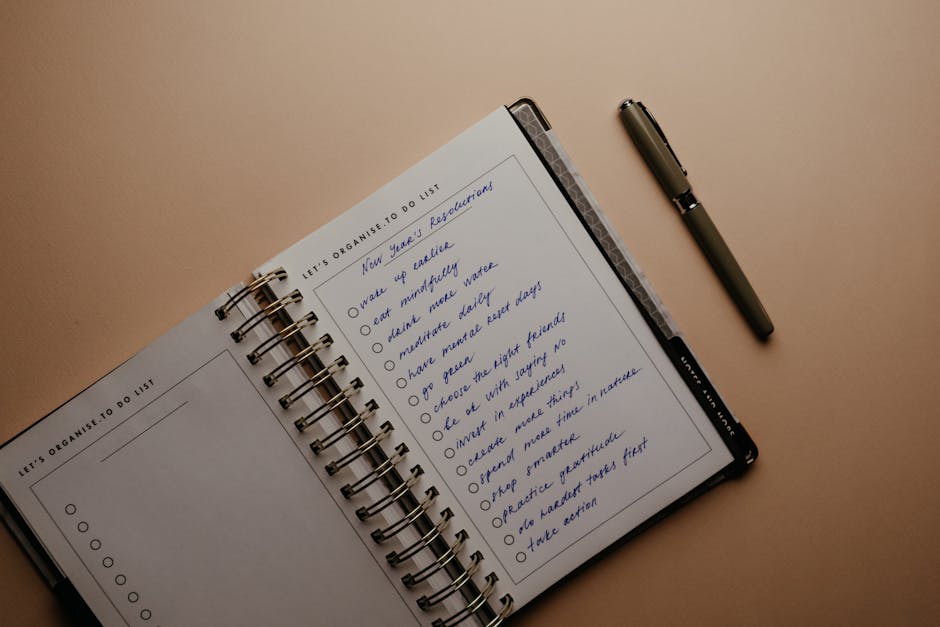
This rhythm is also why every event benefits from even a short prep list. Not because you need to account for every possibility, but because the act of making the list forces the thinking that preparedness actually requires.
The Emotional Side of Being Ready
There’s something worth naming that doesn’t come up much in productivity writing: feeling prepared is its own reward.
Not because of some downstream outcome — not because you’ll perform better or make more money or become a more effective professional. But because the feeling of being ready for something is genuinely pleasant. It’s one of the more underrated small experiences in daily life.
You’ve done the little things. You know where you’re going. You have what you need. You can focus on the actual thing, rather than a background hum of “did I forget something.”
Time blindness can make this harder to access — when time doesn’t feel real until it’s right in front of you, the earlier preparation steps are easy to defer. But that makes the payoff, when you do catch it, even more noticeable. The calm of a calm departure. The ease of a packed bag. The relief of a confirmation email you actually sent.
This is what people mean when they say someone “has it together.” They’re not describing an organizational system. They’re describing the feeling that radiates from someone who isn’t scrambling.
What Gets in the Way
Knowing what preparedness looks like is different from actually practicing it. A few things get in the way more than others:
All-or-nothing thinking. If you can’t prepare perfectly, you don’t prepare at all. This is extremely common and extremely expensive. A two-minute check is better than nothing.
Overestimating future-you. You’ll remember. You’ll have time. You’ll do it then. Future-you is dealing with the same conditions as current-you — actually worse, since the event is closer and the pressure is higher. Be kind to future-you.
Under-estimating what things require. “It’s just a quick thing” is a classic setup for a stressful experience. Quick things still have logistics. They still involve moving through the world.
Using the calendar as the whole system. A scheduled event isn’t a prepared event. The calendar is the frame. Preparation is the picture.
None of these are character flaws. They’re predictable design problems — mismatches between how our brains process future time and what future time actually requires. Managing a busy schedule without burning out depends on closing this gap a little at a time, not solving it once and for all.
Small Shifts That Actually Help
You don’t need a new system. You probably need three small habits:
Look ahead once. At the start of each day or evening before, scan what’s coming in the next 48 hours. Not the next month — just 48 hours. Ask: is there anything this requires that I haven’t done?
Think in reverse. When you notice a stressful event coming up, work backward from the moment it starts. What do you need to have done by then? What do you need to have with you? When do you need to leave?
Do the small things early. If a thing takes two minutes and you know it needs to happen, do it now. The mental cost of holding “I still need to do that” is usually higher than the task itself.
These aren’t revelations. But they’re specific enough to actually try — which matters more than being sophisticated.
Being Prepared Without Being Anxious
There’s a version of preparedness that tips into hypervigilance — a constant scanning for what might go wrong, an inability to feel ready no matter how much you’ve done.
That’s not preparedness. That’s anxiety wearing preparedness as a costume.
Genuine readiness has a settling quality. You’ve thought about the thing. You’ve done the reasonable actions. You’ve accepted that you can’t control everything. And then you let it go.
The goal of good preparation is actually less thinking, not more — because you’ve done the thinking at the right time, in advance, and now you don’t have to keep doing it in the background while you’re trying to sleep.
The quiet confidence of feeling ready isn’t the result of planning more. It’s the result of planning well — and then trusting yourself.
If your planning leaves you feeling more anxious than settled, that’s worth examining. Why planning apps can cause anxiety has some useful angles on this. A good system should eventually feel lighter, not heavier.
The Whole Picture
Being prepared, at its core, is just honoring the reality that the future exists and it will have requirements.
That’s all. Not a personality type. Not a superpower. Not something you either have or don’t.
It’s a habit of looking ahead, thinking honestly, and doing small things before they become stressful things. You can start that habit today, with whatever’s on your calendar for tomorrow.
Take one event. Think about what it actually requires. Do one small thing in advance. Notice how that feels.
That’s it. That’s the whole practice.
Composed auto-generates a short prep checklist the moment you add an event — so the “what does this actually require” step happens automatically, before you even have to ask. If you’re curious, it’s worth seeing how that works in practice.